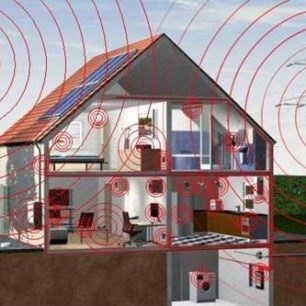
Complete home EMF Assesment
EMF Measurements and Monitoring
Evaluation of Exposure Levels
Documentation and Reporting
Suggestions for EMF Mitigation
Follow-Up and Compliance Monitoring (if needed)
Our comprehensive strategy focuses on the spaces where you live, work, and relax, creating a personalized low-EMF environment that suits your needs—whether it's in bedrooms, home offices, or children's play areas.
This survey is intended for individuals who concerned about EMF exposure or experiencing symptoms that linked to EMF exposure, such as headaches, fatigue, or sleep disturbances. It also targets individuals reporting electromagnetic hypersensitivity. By identifying EMF sources and measuring their strength, an EMF survey enables people to make informed decisions about their exposure and, if necessary, take measures to reduce or shield against EMFs to promote safety and health.
Our comprehensive survey covers low-frequency EMF (5 Hz–1,000 kHz), radio frequency (up to 10 GHz), and magnetic field sources, including power lines, substations, Wi-Fi, phone masts, solar panels, and more. Multiple readings are taken throughout the property for accuracy, and results are compared against various safety guidelines.
Complete Home EMF Assessment Includes:
- Site Assessment and Planning: Identification of all possible EMF sources, including power lines, electrical equipment, Wi-Fi routers, and any other EMF-emitting equipment. Assessment of the frequency characteristics of the identified sources, such as extremely low frequencies (ELF) from power lines, radio frequencies (RF) from wireless communications. Developing a map of the site to plan measurement points and ensure comprehensive coverage of all areas.
- EMF Measurements and Monitoring: Conducting spot EMF measurements at key points within the survey area. This includes high-risk locations near EMF sources and areas where people spend significant time. Continuous monitoring (if required) in environments where EMF levels fluctuate may be conducted over several hours or days to capture variations. Measurement in multiple orientations at different heights and angles, especially near complex sources, to obtain an accurate exposure profile.
- Evaluation of Exposure Levels: Comparing measured levels with an international guidelines. Identification of the areas where exposure exceeds recommended limits or may pose potential health risks.
- Documentation and Reporting: Documentation of all measurements, including locations, time, and conditions during the measurements. Creating visual maps or diagrams to show EMF intensity across the survey area. Interpretation of the findings including potential health implications and practical steps for reducing EMF exposure.
- Recommendations for EMF Reduction (if needed): Recommendations for modifications to reduce EMF exposure include implementing shielding measures and re-locating EMF sources.
- Follow-Up and Compliance Monitoring (if needed): Regular monitoring in environments with potential for high exposure, regular monitoring can ensure that EMF levels remain within acceptable limits.

EMF survey for electric and hybrid vehicles
Measurement and Mapping
Health and Safety Assessment
Reporting and Documentation
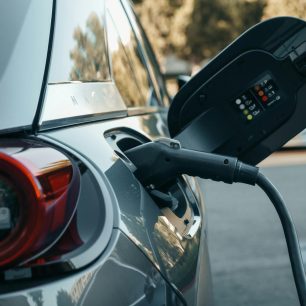
An EMF survey for electric and hybrid vehicles is conducted to ensure that electromagnetic emissions remain within safe limits, comply with regulatory requirements, and minimize potential health risks for users.
EMF survey for electric and hybrid vehicles includes:
- Identification of EMF Sources: In both electric and hybrid vehicles, electric motors are a significant source of EMFs, as they operate with high current to drive the vehicle. The high-voltage batteries (e.g., lithium-ion) used in electric vehicles and hybrid electric vehicles can generate electromagnetic fields. Inverters convert DC from the battery to AC for the electric motor and are sources of electromagnetic radiation. Wireless charging or plug-in charging equipment also generates EMFs during operation.
- Measurement and Mapping: The primary step in an EMF survey is to measure the strength of the electromagnetic fields emitted by the sources. It’s essential to assess the frequency range of the EMF emissions. Electric vehicle components typically emit low-frequency electromagnetic fields (e.g., 50–60 Hz for power components), but higher-frequency emissions (in the kHz or MHz range) can also be present. EMF levels are measured at various points around the vehicle, both at idle and under operation.
- Health and Safety Assessment: The survey includes a comparison of measured EMF levels against established exposure limits recommendations set by regulatory bodies. These limits are designed to ensure that EMF exposure does not pose a health risk to drivers, passengers, or pedestrians.
- Documentation and Reporting: A comprehensive report detailing the findings of the EMF survey, including measurements, sources of EMF, compliance with standards, and health risk assessments.

Cell Tower Exposure Assessment
RF Emission Measurement
Assessment of Potential Risks
Documentation and Reporting
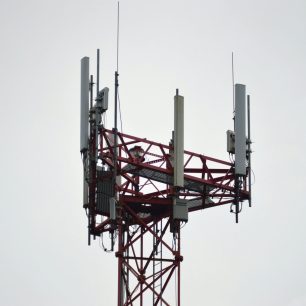
A Radio Frequency Exposure Assessment for a cell tower typically includes key components designed to evaluate and ensure that the electromagnetic fields emitted by the tower remain within safe exposure limits. By addressing these factors, the assessment offers a comprehensive review, helping to mitigate and minimize potential health risks associated with radiation from the tower.
Cell Tower Exposure Assessment includes:
- Site Survey and Data Collection: The assessment starts by documenting the exact location of the cell tower(s). Collection of data on the type of equipment used on the tower, including the number of antennas, their output power, and operational modes (e.g., 5G, 4G LTE, etc.).
- Radio Frequency Emission Measurement: RF field strength measurements are taken at various points. The assessment will compare the measured power density with established safety limits recommendations. These limits are typically defined in terms of power per unit area (e.g., mW/m²).
- Assessment of Potential Risks: Special consideration is often given to vulnerable populations (e.g., children, pregnant women). The assessment might also review potential health concerns associated with long-term exposure.
- Documentation and Reporting: A comprehensive report is created summarizing the findings of the RF exposure assessment, including measurement data, comparison with safety limits recommendations, and suggestions for mitigation (if necessary).


